
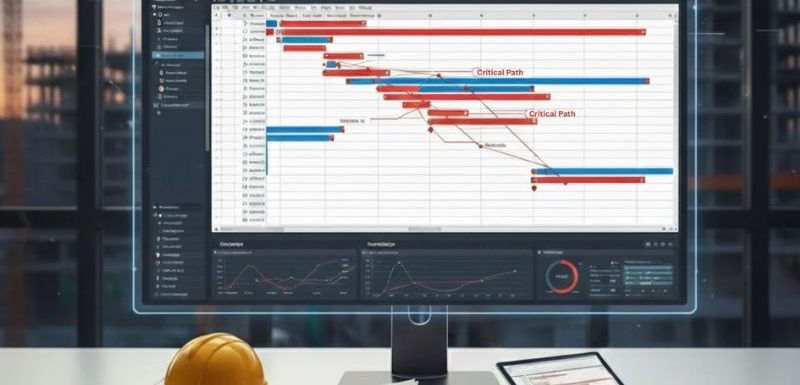
Primavera careful planning, precise scheduling, and ongoing monitoring are necessary for managing big, complicated projects. Project managers are responsible for coordinating various tasks, resources, budgets, and deadlines in a variety of projects, including construction, infrastructure development, manufacturing, engineering assignments, and IT deployment. Project success can be rapidly impacted by delays, cost overruns, and communication breakdowns in the absence of an organized project management methodology. Because of this, businesses in a variety of sectors depend on sophisticated project management software like Primavera to expedite project completion.
Primavera is a potent project management tool that helps teams effectively plan, schedule, monitor, and manage projects. It makes it possible for project managers to make thorough schedules, distribute resources wisely, keep an eye on project performance, and spot dangers before they become serious problems. But employing Primavera alone won’t guarantee a project’s successful completion. You can also learn through FITA Academy. Applying the appropriate tactics and comprehending best practices are equally crucial. This book examines five crucial pointers that will enable you to use Primavera efficiently, enhance project results, and handle projects with more assurance.
Understanding Primavera Project Management and Its Importance
Primavera is well known for its capacity to oversee projects of all sizes and levels of complexity. Project managers the tools they need to make thorough schedules and track project success over the course of the project. Primavera is essential to businesses in sectors like infrastructure, manufacturing, engineering, construction, and oil and gas because it facilitates improved planning and well-informed decision-making.
Primavera’s capacity to divide complicated projects into doable tasks is one of its biggest advantages. Managers can divide a project into logical phases and keep an eye on each one separately rather than seeing it as a single, big effort. Project teams’ coordination, responsibility, and visibility are all enhanced by this methodical approach. Primavera also facilitates data-driven decision-making by offering performance metrics and real-time reports. Before they have an impact on project delivery, managers can promptly detect schedule delays, resource shortages, or budgetary issues. Primavera continues to be a crucial tool for attaining effective project management and successful results even as projects get more complicated.
Tip 1: Build a Strong Work Breakdown Structure and Realistic Schedule
The first step in any successful project. Planning, scheduling, and tracking are made considerably simpler by the WBS’s division of a project into smaller, more manageable components. While keeping a firm grasp of the project’s goals, Primavera enables project managers to arrange tasks into logical phases.
Establishing a practical project timeline is equally crucial. Accurate durations, dependencies, milestones, and accountable team members should be part of every task. Don’t base timeframe estimates solely on conjecture. Instead, create realistic timetables using past project data, professional advice, and accessible resources. Because delays in critical jobs frequently impact the project timeline as a whole, they should be given more attention. You can also learn through Primavera Training in Chennai for expert guidance. Primavera’s scheduling tools assist in determining these dependencies and guarantee that tasks are carried out in the right order. Investing time in developing a thorough work breakdown structure (WBS) and realistic timeline avoids confusion, cuts down on delays, and builds a solid foundation for project execution success.
Tip 2: Manage Resources, Costs, and Budgets Effectively
One of the most crucial elements of effective project management is resource management. Project managers may effectively allocate personnel, equipment, materials, and financial resources throughout the project lifecycle with Primavera. Allocating resources properly helps avoid overuse, underuse, and needless project delays.
Instead of starting after project execution, budget management should start before project planning. Managers can assign budgets to tasks, estimate project costs, and track actual spending against anticipated amounts with Primavera. Frequent expense monitoring makes it easier to spot financial irregularities before they become serious issues. Another useful element that aids in distributing responsibilities equally among team members is resource leveling. While lowering employee fatigue and scheduling issues, balanced workloads increase productivity. Additionally, managers should routinely assess the availability of resources and modify assignments in response to shifting project priorities.
By maintaining accurate resource plans and monitoring project expenses consistently, and enhance the likelihood of completing projects within approved budgets.
Tip 3: Monitor Progress Regularly and Identify Risks Early
Even the best project plans need to be continuously monitored while they are being carried out. Project managers can compare anticipated timetables with actual project progress using Primavera’s robust tracking features. Managers can see schedule discrepancies and take necessary action before issues worsen thanks to regular updates. You can learn it form B School in Chennai with expert guidance. Earned value, schedule variance, cost variance, and activity completion percentages are examples of key performance indicators that offer important information about the general health of a project. Faster decision-making and more precise forecasts are made possible by reviewing these data once a week or every two weeks.
Regular project reviews should incorporate risk management as well. Project performance can be severely impacted by delays brought on by a lack of resources, the availability of materials, bad weather, modifications to the design, or technical difficulties. Primavera assists managers in assessing these risks and creating backup plans ahead of time. Accurate progress reports guarantee that everyone is aware of the project’s status and enhance stakeholder communication. In addition to reducing surprises, regular monitoring improves project control and raises the possibility that the project will be completed successfully.
Tip 4: Optimize Project Schedules Using Baselines and Critical Path Analysis
Project schedules should be adaptable enough to allow for modifications while upholding the project’s general goals. Managers can improve schedules throughout project execution with Primavera’s sophisticated scheduling features. Critical path analysis and project baselines are two of the most useful techniques.
Before execution starts, a project baseline records the initial authorized timeline. Managers can assess schedule performance and pinpoint areas that need urgent attention by comparing current progress to the baseline. It becomes simpler to identify significant discrepancies, enabling prompt remedial action. Activities that have a direct impact on project completion deadlines are identified using Critical Path Method (CPM) analysis. Project managers prioritize these tasks because delays in the critical path typically impact the project’s overall timeframe. Primavera automatically determines the critical path and modifies it in response to schedule modifications. Maintaining realistic timeframes while increasing forecasting accuracy is made possible by regular schedule reviews, dependency validation, and milestone monitoring. Teams can react swiftly to shifting project conditions and keep more control over project completion with optimized schedules.
Tip 5: Improve Team Collaboration Through Reporting and Communication
Effective cooperation between project managers, engineers, contractors, clients, and stakeholders is essential to successful project management. Primavera facilitates communication by producing comprehensive reports that provide project details in an understandable and structured manner. These reports increase openness and assist stakeholders in making wise choices. This is how primavera works. Schedule updates, finished and unfinished tasks, resource use, budget performance, and hazards should all be included in progress reports. Regular sharing of this information minimizes misconceptions and keeps everyone in line with the project’s goals.
Collaboration also heavily relies on document management. Team members will always have access to the most recent project plans, specifications, and timelines if project documentation is kept up to date. This lessens the confusion brought on by out-of-date information. Primavera’s reporting features and frequent project review meetings promote proactive problem-solving as opposed to reactive crisis management. Effective communication fosters accountability, enhances departmental cooperation, and enables project teams to produce better outcomes faster.
Best Practices for Maximizing Primavera and Avoiding Common Mistakes
Despite investing in Primavera, many businesses do not fully leverage its potential. Ignoring schedule updates once project execution starts is a frequent error. Outdated schedules lead to erroneous reports and diminish the efficacy of decision-making. Reliable project information is maintained by regularly updating activity progress. Making unduly complicated schedules with pointless activities is another error. Simplicity frequently increases project visibility and facilitates the maintenance of schedules. To avoid unrealistic project schedules, managers should also routinely check task dependencies.
Team member training is equally crucial. Primavera has a lot of sophisticated capabilities, but users can only take advantage of them with the right knowledge and hands-on training. Project analysis abilities, reporting quality, and scheduling accuracy are all enhanced by ongoing learning. Additionally, organizations should maintain consistent templates, backup project data, conduct frequent project reviews, and record lessons learned from finished projects. These recommended practices maximize Primavera’s long-term usefulness as a project management tool while enhancing consistency across subsequent projects.
What is Next?
Making project schedules is only one aspect of effective Primavera project management. Careful planning, practical scheduling, effective resource allocation, ongoing monitoring, proactive risk management, and effective stakeholder communication are all necessary for success. Project managers may increase productivity, lower project risks, and keep better control throughout the project lifecycle by putting these five crucial suggestions into practice.
Successful project delivery is influenced by a number of factors, including creating a thorough work breakdown structure, managing resources sensibly, monitoring project progress often, optimizing timelines with baselines and critical path analysis, and enhancing teamwork. Avoiding typical blunders by updating timetables, streamlining project structures, and consistently honing Primavera abilities are equally crucial. Professionals that are proficient with Primavera have a major edge in organizing and carrying out successful projects as projects become more complicated across industries. Primavera becomes an effective tool for completing projects on schedule, under budget, and in accordance with organizational objectives with regular practice, real-world experience, and a dedication to adhering to tried-and-true project management principles.